
Category: Human Resources
-

Choosing the Optimal Rating Scale and Format for Your 360-Degree Survey: A Guide for HR Practitioners
Choosing the right rating scale for 360 feedback, whether Likert, numerical, semantic differential, or behaviorally anchored, is crucial. Factors to consider include organizational culture, survey objectives, participant preferences, and data analysis requirements. Best practices for scale design focus on clarity, consistency, and avoiding common pitfalls. Customizing scales for different competencies is also important. Regularly reviewing…
-

Designing Effective Questions for 360 Feedback: A Comprehensive Guide
Effective question design for 360 feedback is crucial. Best practices include specificity, clear language, observable behaviors, consistent rating scales, and open-ended questions. Avoid leading questions, double-barreled questions, absolutes, and ambiguous terms. Pilot testing and tailoring to the organization’s culture are essential for clarity and relevance.
-

Maximizing HR Impact: Strategic Question Categories for 360 Feedback
Well-crafted 360 feedback questions are crucial for collecting meaningful insights for achieving organization’s strategic objective. Question categories include value-based, leadership competency, organizational competency, job-specific competency, and behavioral questions. Aligning these with organizational objectives is key for a comprehensive assessment.
-

Enhancing Talent Management: Integrating 360 Feedback with Development Planning
Integrating 360 feedback and development planning can enhance employee growth, performance evaluation, and succession planning. This approach addresses key challenges, fosters engagement, and identifies skill gaps. Future trends include AI-driven feedback analysis and continuous feedback models, offering a strategic advantage in talent management.
-
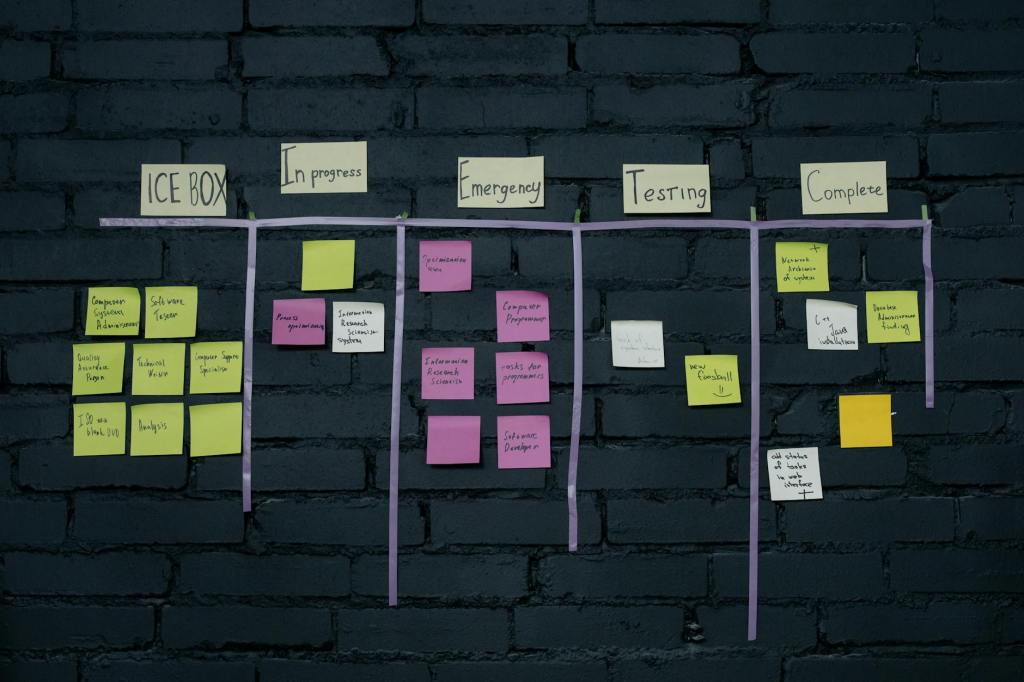
Aligning 360 Surveys with Organizational Initiatives for Maximum Impact
Integrating 360 feedback with organizational programs supports leadership development, succession planning, fair promotions, and smooth leadership transitions. This approach fosters continuous improvement and organizational success.
-

How Qualitative Feedback Transforms 360-Degree Feedback into a Tool for Growth and Development
Integrating qualitative feedback into 360 feedback offers benefits like improved self-awareness, personal development, and understanding blind spots. Challenges include potential bias and time-consuming analysis. The START/STOP/CONTINUE framework guides effective qualitative feedback with balanced and actionable insights, fostering a culture of continuous improvement and strengthening team dynamics.
-

Fostering Transparency: The Power of Participant-Rater Communication in 360-Degree Feedback
The 360-degree feedback process is a collaborative journey for growth and development. Participants effectively shape their development narrative by engaging with raters. Effective communication is crucial, fostering transparency and constructive feedback. Participants should initiate conversations, clarify the feedback’s purpose, encourage constructive feedback, request specific examples, show appreciation, follow up for clarification, and share outcomes.
-

Dialogue for Development: HR’s Strategic Guide to Communicating 360-Degree Feedback
Clear and empathetic communication from HR on 360 Feedback process is crucial for the success of the process. Strategies include articulating purpose, ensuring confidentiality, teaching constructive feedback, and maintaining open communication. This fosters a culture of growth and open dialogue.
 Empower Your Team with Insightful 360 Feedback